
Exploring the Causes Behind Suicidal Depression
Suicidal depression is one of the most severe forms of depression a person can experience. It goes beyond persistent sadness or low mood. It's marked by an overwhelming sense of hopelessness and recurrent thoughts of ending one's life. For those living with it, and for the people who care about them, understanding where it comes from can feel both urgent and elusive.
It's important to recognize that suicidal depression rarely has a single cause. Instead, it tends to emerge from a complex interplay of biological, psychological, social, and environmental factors. Exploring these underlying causes is a critical step toward prevention and deeper compassion for those who are struggling.
Biological and Genetic Influences
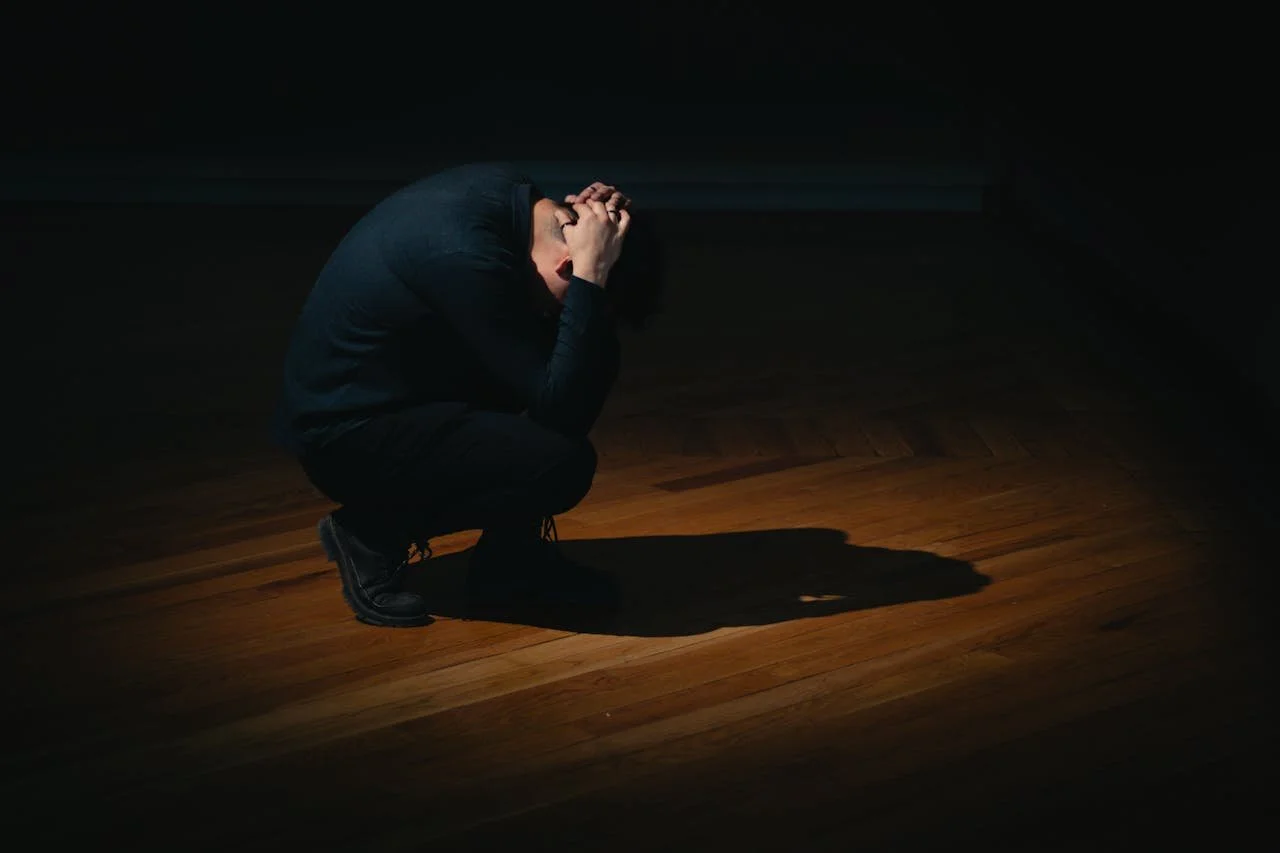
Biology plays a significant role in a person's vulnerability to suicidal depression. Individuals with a family history of depression or suicide face a higher risk themselves. This points to a genetic component that can shape how the brain responds to stress and emotional pain.
Brain chemistry is equally important. Imbalances in neurotransmitters, particularly serotonin, dopamine, and norepinephrine, can affect mood regulation, impulse control, and a person's ability to feel hope or pleasure.
Differences in how the brain develops and functions may also make it harder for some individuals to manage intense emotions or resist impulsive urges during moments of crisis. Chronic illness and persistent physical pain add another layer of risk. Ongoing physical suffering can erode a person's sense of wellbeing over time.
Mental Health Conditions and Psychological Factors
Suicidal depression rarely exists in isolation. It frequently co-occurs with other mental health conditions, including anxiety disorders, PTSD, bipolar disorder, and psychosis, each of which can amplify feelings of despair and hopelessness.
Psychological patterns also matter. Persistent negative thinking and rigid "all-or-nothing" beliefs can make it nearly impossible for someone to imagine relief or a different future, resulting in a kind of tunnel vision. Difficulty coping with stress and a history of trauma, including adverse childhood experiences, can all deepen vulnerability and make it harder to access internal resources when they're needed most.
Life Stressors and Negative Events
Major life events can serve as powerful triggers for suicidal depression. Losing a loved one, the breakdown of an important relationship, or serious financial setbacks can shake a person's sense of stability and purpose. On their own, these events are painful. When they accumulate or strike someone who is already vulnerable, the weight can become overwhelming.
Cumulative stress is particularly significant. When coping resources are depleted over time, even smaller challenges can feel insurmountable. Feelings of failure and perceived burdensomeness, or the painful belief that others would be better off without you, are especially associated with suicidal thinking and deserve direct attention in treatment.
Social and Interpersonal Factors
Human connection, or the absence of it, has a profound impact on mental health. Social isolation and loneliness are strongly linked to suicidal depression, as are harmful relationship dynamics such as emotional or physical abuse and bullying. Exposure to suicide within one's family or social circle can also increase risk, particularly in younger individuals.
For members of marginalized communities, these risks are often compounded. Experiences of discrimination, stigma, and rejection based on sexual orientation, gender identity, race, or other aspects of identity can create chronic stress and a pervasive sense of alienation that fuels despair.
Societal and Environmental Contributors
The broader environment shapes mental health in ways that are easy to overlook. Limited access to mental healthcare means that many people never receive the help they need. Stigma surrounding mental illness remains a powerful obstacle, keeping individuals from reaching out. But treatment can be transformative for those with suicidal depression, showing a different path forward.
Next Steps
If you or someone you love is experiencing suicidal thoughts, immediate help is available by calling or texting 988. Long-term recovery is possible. We invite you to explore our depression counseling services or contact us for support. You don't have to face this alone.