
Understanding Immigration Trauma and How It Affects Mental Health
Immigration is often framed as a chance for a better life. Many people move in search of safety, stability, or new opportunities. At the same time, the process of leaving one country and building a life in another can carry deep emotional and psychological strain.
For some migrants and refugees, the journey involves exposure to violence, separation from loved ones, or long periods of uncertainty. Experiences like these can have lasting effects on mental health. A large portion of migrants experience post-traumatic stress disorder (PTSD) at some point in their lives, but the emotional impact of immigration is frequently minimized or misunderstood.
Recognizing immigration trauma helps clarify why some people struggle long after arriving in a new country and why meaningful support is often necessary.
What Is Immigration Trauma?
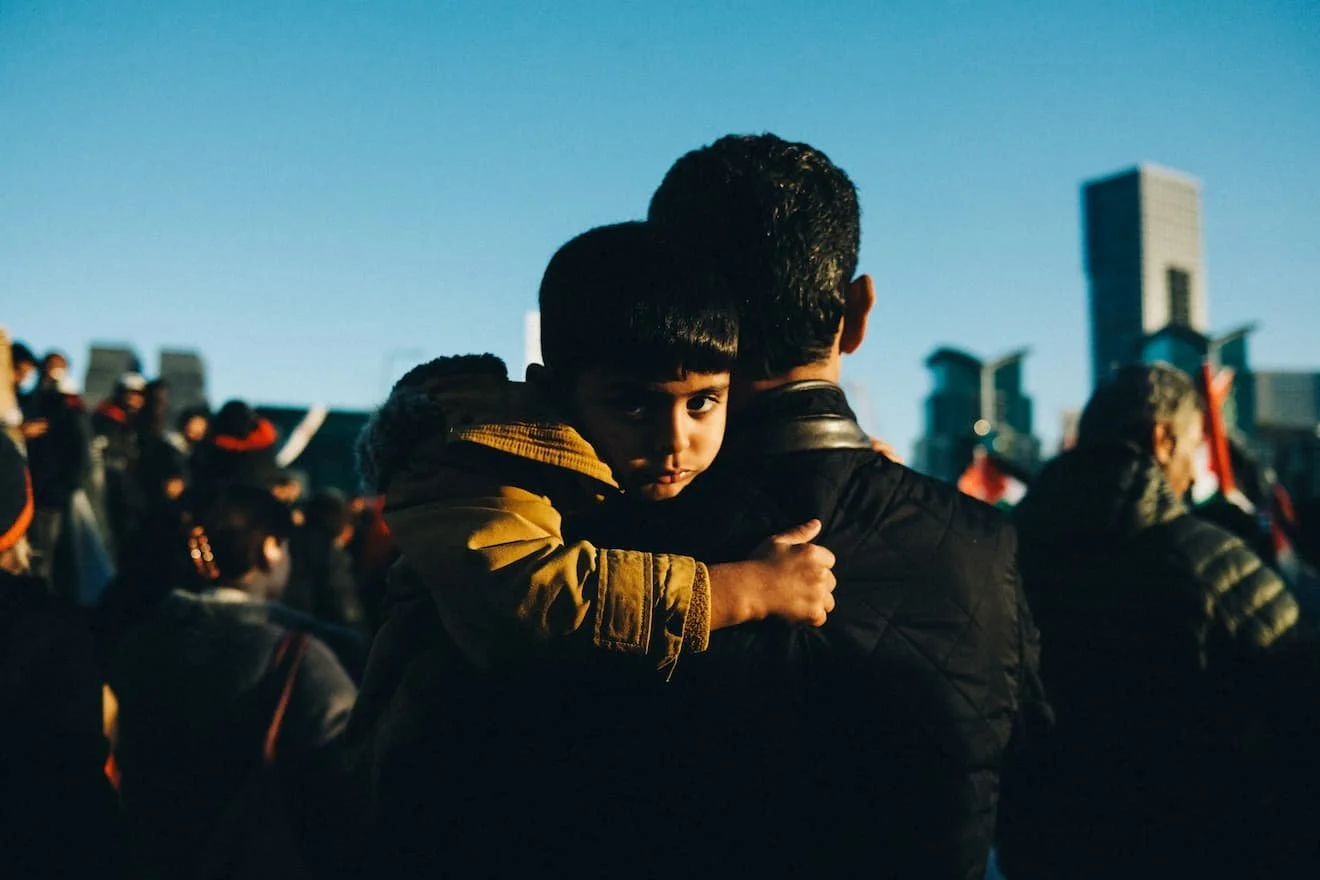
Trauma refers to experiences that cause lasting harm to a person’s emotional or physical well-being. Immigration trauma develops when the process of leaving home and resettling exposes someone to danger, loss, or prolonged instability.
The emotional impact can continue long after someone reaches a safer environment. Ongoing uncertainty and major life disruptions can shape how a person feels and responds to the world around them. Some individuals live with anxiety, sleep difficulties, or persistent feelings of fear even when the original threat is no longer present.
Trauma Across the Immigration Journey
Immigration-related trauma can develop at different points in the migration process.
Many migrants leave their home countries because of violence, persecution, armed conflict, or extreme economic hardship. Circumstances like these often influence the decision to relocate in the first place.
The journey itself may introduce additional risks. Unsafe travel conditions, detention, and exploitation are realities some migrants face while trying to reach a new country. Furthermore, challenges often continue after arrival. Limited access to housing, employment, health care, or stable legal status can create ongoing stress.
The Emotional Impact of Leaving Home
Relocating to a new country means more than adjusting to unfamiliar surroundings. People often leave behind family members, cultural traditions, and long-standing community ties, and the loss of language and shared customs can bring a deep sense of grief. Sometimes, this experience is characterized as cultural bereavement. Even when migration is voluntary, the emotional weight of leaving a familiar world can be significant.
New challenges may appear after resettlement. Discrimination and social isolation are common obstacles for many migrants. For those navigating uncertain immigration status, ongoing worry about legal outcomes or policy changes can add another layer of stress.
Why Children Face Unique Risks
Children experience immigration differently from adults. Family separation, exposure to racism, and unstable living conditions can have a powerful impact during key stages of development.
In school settings, trauma may show up as withdrawal from classmates or trouble adjusting to new routines. Without the right support, these behaviors are sometimes misunderstood as discipline problems rather than signs of distress. Supportive schools and stable family relationships can play an important role in helping young people regain a sense of security.
What Helps People Recover
Healing from immigration trauma often requires consistent support over time. Strong social connections can make a meaningful difference, especially when migrants are able to maintain ties to their heritage culture while building new relationships in their current community.
Access to stable housing, employment, education, and healthcare also helps reduce the pressures that keep trauma responses active. When these basic needs are met, people are better positioned to focus on recovery and rebuilding their lives.
Mental health care matters as well. Therapists who understand cultural backgrounds, language differences, and the realities of migration can provide support that feels respectful and relevant. Feeling understood and supported helps rebuild safety and stability.
—
If you or someone you love is navigating the mental and emotional weight that can come with immigration, our therapists are here to help. Contact us to learn more about trauma therapy at our practice.